Our Approach Our Story Schools What We Do School Acquisitions School Management Campus Development Guides About The Company Our People News Contact Impact Partner With Us
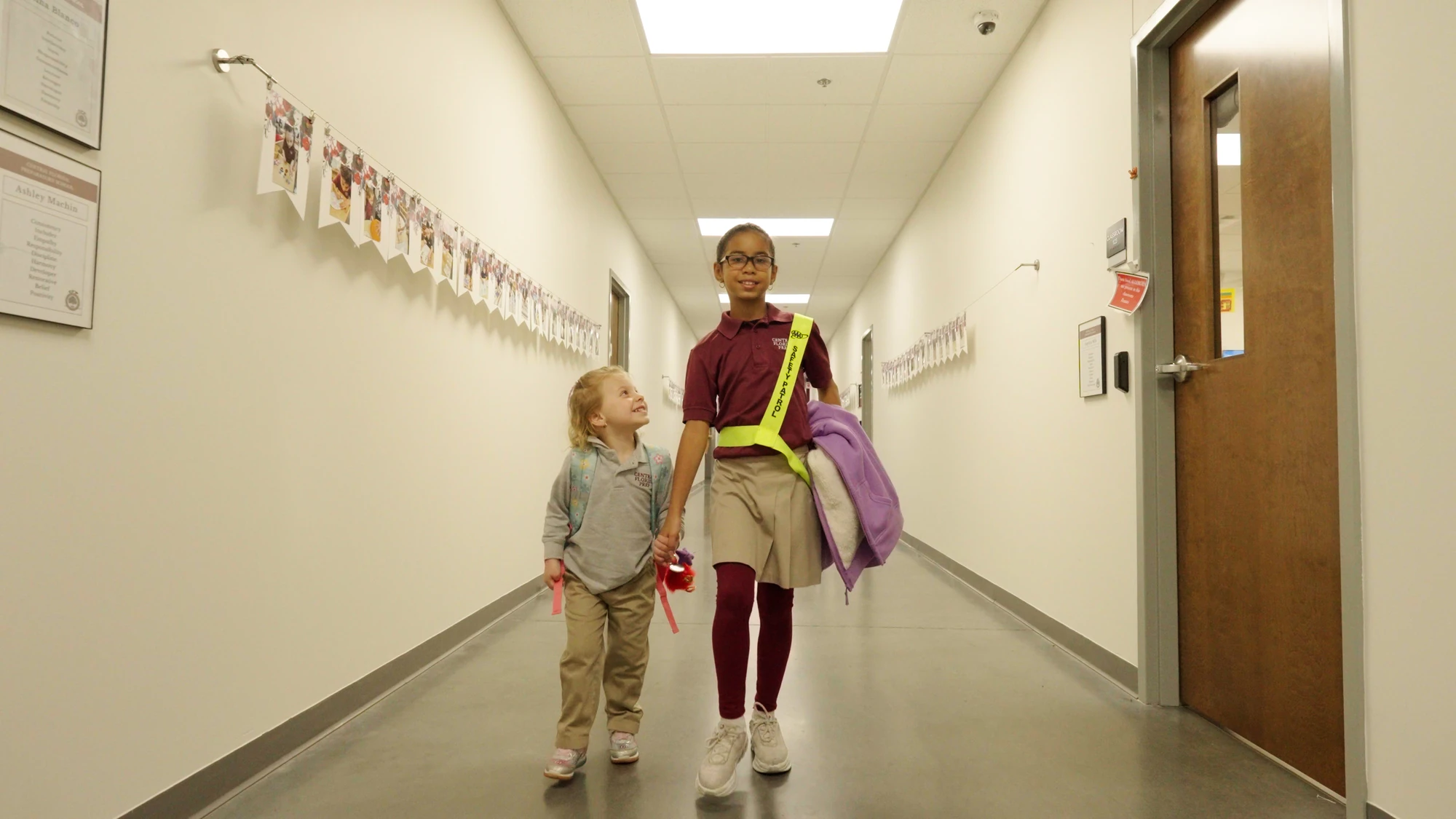
Students walking down a hallway at one of the schools we serve
School Acquisitions

Become a
Clear Direction school.

For owners of for-profit independent schools across the United States who want their school to keep going, and to be paid fairly for what they built. If your school is a nonprofit, start with School Management.

The school you built, with more behind it.

An independent school is built around a handful of people and the families who trust them. When we acquire a school, our first job is to understand what made it worth choosing, usually the name on the sign, the teachers families ask for by name, and the program that set it apart, and to build the plan around keeping it.

Our second job is to bring what a founder usually can’t build alone. An admissions and enrollment operation, a central team behind the head of school, and the resources to grow the campus when the school is ready.

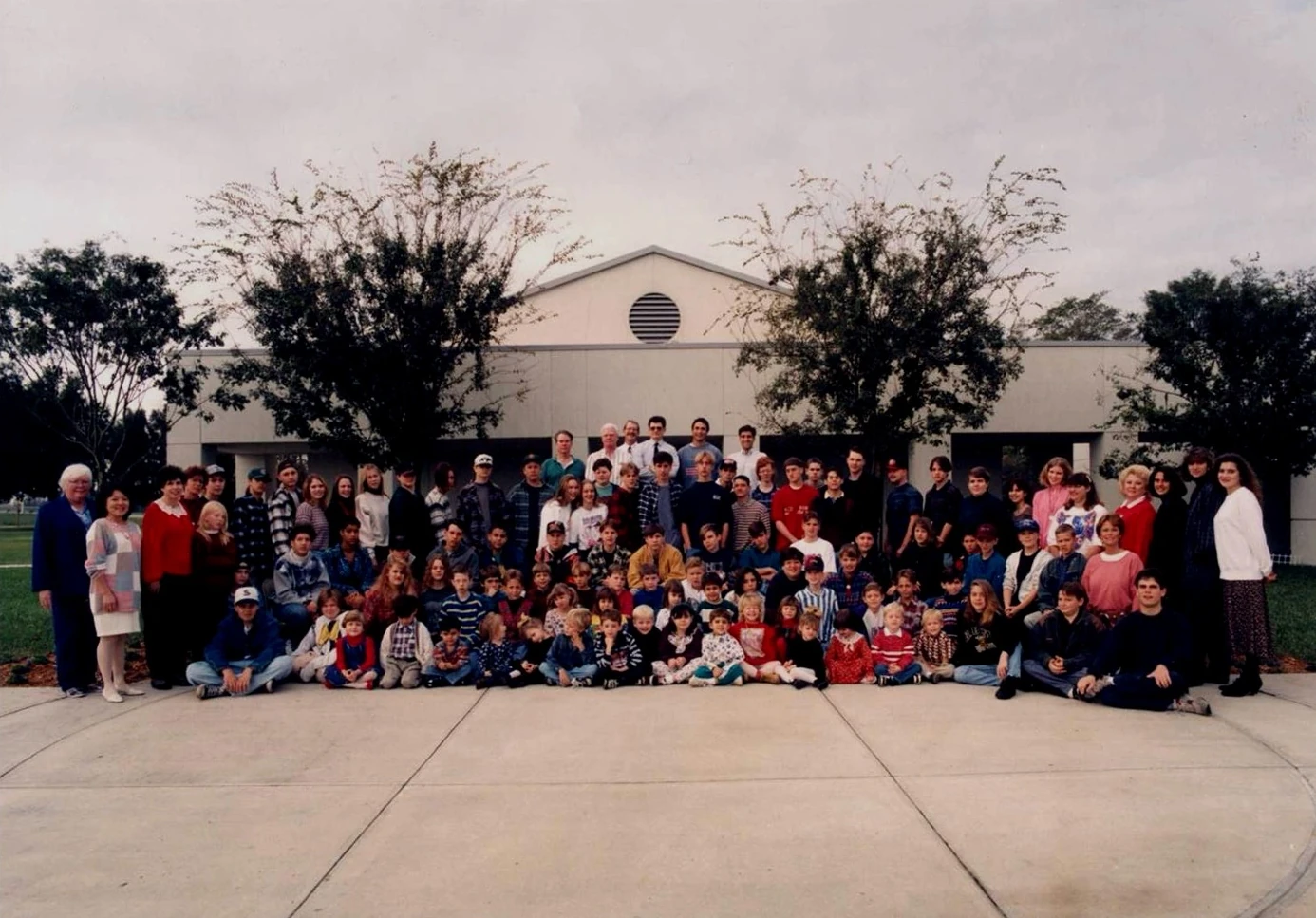
We’ve done both at the schools we serve. Our family opened its first school in a converted warehouse in 1990 and has spent every year since running schools in Florida.

The class of 1998 at our first campus

Why Clear Direction?

Three things a large operator can’t offer you, and one thing it can that we can too.

What your school gains.

The resources of a group, brought by people who have used every one of them on a school of their own. This is how we approach it; the specifics are agreed in writing, school by school.

The transition.

Quiet, in order, and timed to the school year. Nothing about a first conversation is shared with staff, families, or anyone else.

  1. A confidential conversation

    A call with Peyton. You tell us about the school and what you’re hoping for, and we tell you honestly whether we’re the right fit.

  2. Getting to know the school

    A simple confidentiality agreement, then the basics: enrollment, the program, the team, the lease or the property. Then a visit, arranged so it doesn’t raise questions on campus.

  3. A written proposal

    What we’d pay, how it’s structured, and what your role would be, in plain terms and with the reasoning behind the number.

  4. Diligence and the agreement

    We verify what we’ve been told, you verify us, and lawyers put the agreement in writing. Your own advisors are welcome at every step.

  5. Transition planning

    Staff, families, and the calendar: who hears what, when, and from whom. Timed to the school year, not to our convenience.

  6. Day one and the first year

    In almost every case the name on the sign is the same on Monday. Our team steps in behind the head of school, and the founder’s role, if there is one, starts as planned.

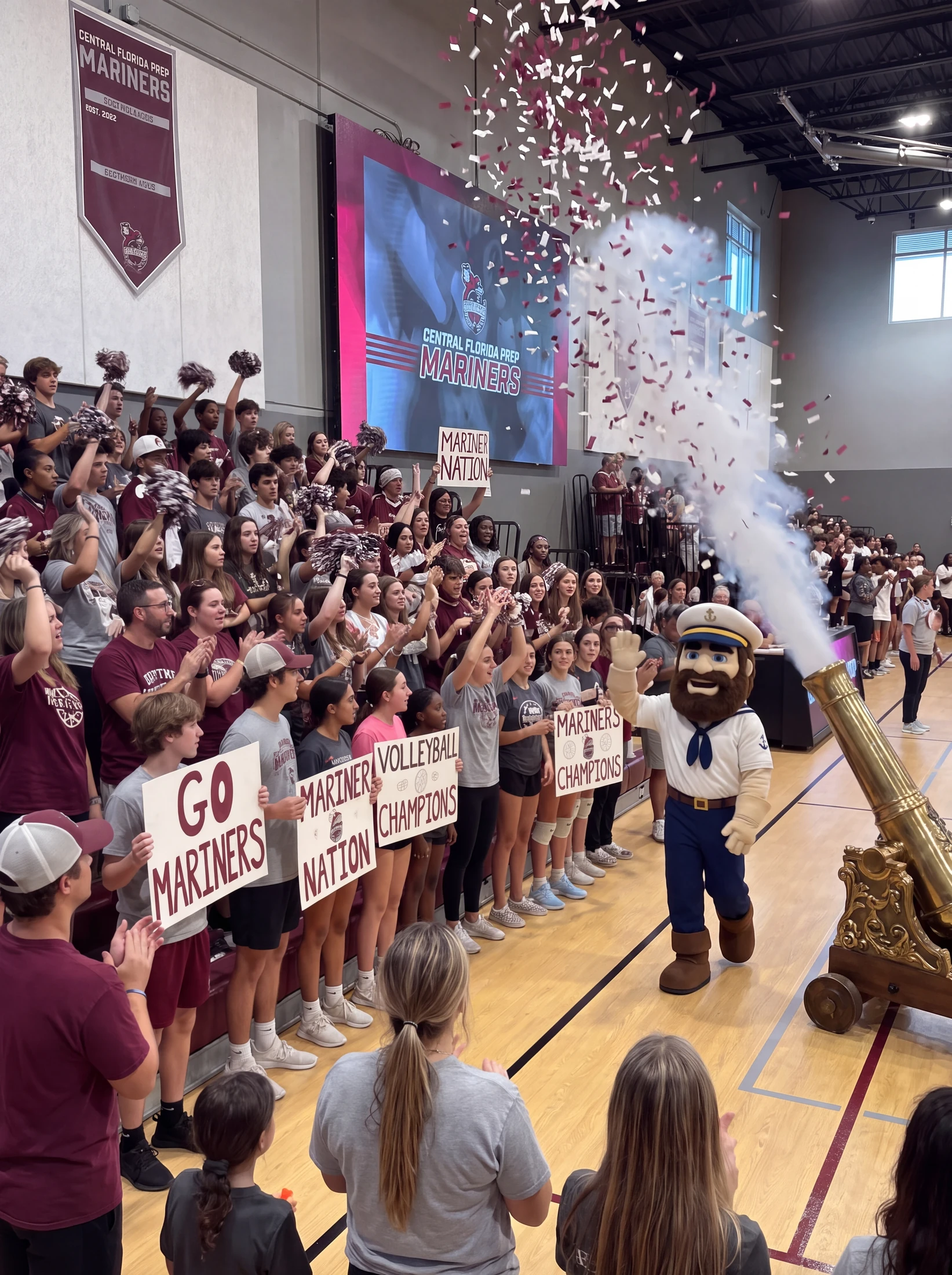
A pep rally in the gym

Keeping a school’s legacy.

A conversation with Peyton Flanders, Chief Operating Officer

Why do you keep the name?
Because the name is the promise families bought. Changing it tells the community the school they chose is gone, and it usually isn’t true. Our instinct is to change what’s behind the front desk, not what’s on the sign.
What changes for teachers?
The paperwork leaves the building. A central team takes on payroll, benefits, compliance, and admissions, and teachers get the professional development and career paths that come with a larger team. In most cases, who they report to on Monday morning doesn’t change.
What do families notice?
Ideally, more of what they came for: fuller programs, a stronger campus, and the same faces. The changes families should notice are the ones they would have asked for.
What role can the founder have?
Whatever they want it to be, within reason. Some teach, some lead for a season, some advise for a year, and some retire on the closing date. We plan it with the founder, and the school does best when everyone is honest about which one it is.
What do you look for in a school?
A real program and a community that believes in it. Size matters less than that. We’ve seen small schools worth carrying forward and large ones that weren’t.

More than one way to hand off a school.

The shape of the agreement follows the owner, not a template. Some owners want a clean break and some want a slower one, and either can be planned. And if you’d rather not sell at all, we can run the school for you under a management agreement while you keep it. That’s our School Management page.

Key terms.

Most owners sell a school once. These are the terms that come up, in the order they come up.

Confidentiality agreement
Also called an NDA. Signed before either side shares anything private, so you can talk freely without it reaching your staff or your competitors.
Proposal
Our written offer: the price, how it’s paid, what happens with the property, and the founder’s role. Sometimes called a letter of intent once both sides sign it.
Due diligence
The period after the proposal when we verify enrollment, finances, contracts, and the property, and you verify us. Nothing about the school is announced during it.
Purchase agreement
The binding contract, drafted by lawyers on both sides, that turns the proposal into the transaction.
Transition period
The stretch between signing and the day our team steps in, when staff and families are told and the handoff is planned around the school calendar.
Closing
The day the school changes hands and you’re paid. Usually set to a natural break in the school year.

Not ready to talk yet?

Start with the checklist: the questions a new operator asks about a school, so you can see where yours stands before anyone else does.

Get the checklist

Read first

Questions we hear first.

What kinds of schools do you acquire?

For-profit independent schools across the United States: Montessori programs, preschools that have grown into elementary schools, K-5 and K-8 schools, and PreK through 12. Usually founder-led, with a program and a community worth carrying forward. Size matters less than the school’s character. If your school is a nonprofit, the path is a management agreement with your board, and that conversation starts on our School Management page.

What is my school worth?

It depends on enrollment and where it’s heading, the program, the team that stays, the lease or the property, and how much of the school runs without you. We don’t publish numbers, and we won’t quote one before we’ve seen the school. If we go forward, we put a written proposal in front of you with the reasoning behind it, and we’ll tell you honestly if we think you’d do better with someone else.

What happens to my brand?

In almost every case the name stays, along with the culture and the traditions families count on. Changing a school’s name tells its community the school they chose is gone, and that isn’t what we’re buying. If a change ever made sense, it would be decided with the founder, not announced to them.

What happens to the curriculum?

The program is the reason families chose the school, so our starting point is to strengthen it rather than replace it. Where our own schools have something worth sharing, from STEM labs to agriculture and culinary programs, it’s offered, not imposed.

What happens to my team?

We work to keep the teachers and leaders who make the place what it is, and every school we serve has kept its leadership through the years we have worked with it. What a larger team can offer them is a benefits program, professional development, career paths, and a central office that takes the paperwork off the school.

Can I stay on after the sale?

Often, yes, and it’s one of the first things we talk about. Some founders keep teaching, some lead the school for a season, and some advise through the first year and then step away. We plan that with you rather than for you.

I own the real estate too. Will you buy it or lease it?

Either can work. You can sell the property with the school or keep it and lease it to the school, and we’ll talk through which one fits your plans.

How do you tell staff and families about the change?

Together, and from the school. We plan who hears what and when, starting with your leadership team, then staff, then families, with the founder’s voice first. The goal is that no one hears about it from a rumor.

Who finds out that we’re talking?

No one, unless you decide otherwise. A first conversation is between you and us. We don’t share it with staff, families, or anyone else, and if the fit isn’t there, it ends there.

How long does a school transition take?

It varies with the school’s structure and with who has to approve it, so we don’t quote a timeline. What we can tell you is that a transition is usually timed around the school calendar, so families see continuity instead of a change in the middle of a year.

What happens to a private school when the founder retires?

It depends on what was arranged in advance. Some schools have a successor ready and a board prepared to hire them. Others drift for years while enrollment slips, and a few close. A third path is a transition to an operator who keeps running it as a school, and that’s the one we’re built for.

Who takes over a private school when the founder is ready to step back?

It depends on how the school is organized. A for-profit school has an owner, and the owner decides who comes next: a family member, a long-tenured head of school, another school, or a company that runs schools. A nonprofit school has no owner. Its board decides who leads it, and the board may engage an operator under a management agreement while the school stays what it is. This page is about the first path; the second is our School Management page. Either way, we’re founders ourselves, so we start with what you want the school to still be in ten years.
“The point of a school isn’t to fill a child with answers. It’s to make them hungry for questions.”

Robert A. Flanders, Founder1950-2002

Start a confidential conversation.

Owners and founders of for-profit independent schools across the United States. Nothing you tell us is shared with anyone.

A student building a circuit